

The Silent Revolution in How Nigerians Are Buying Big. Your laptop just died mid-project. Replacement costs ₦280,000. Salary arrives in 19 days. Savings account? Empty.
A few years ago, your options were: beg family, queue at a bank for a loan you probably wouldn’t qualify for, or just manage. In 2026, a fourth option has arrived — and millions of Nigerians are using it without fully understanding the terms they agreed to.
That option is Buy Now Pay Later Nigeria — and this guide will show you exactly how it works, which platforms to trust, what the fine print hides, and how to use it without ending up worse than when you started.
What Is Buy Now Pay Later (BNPL)?
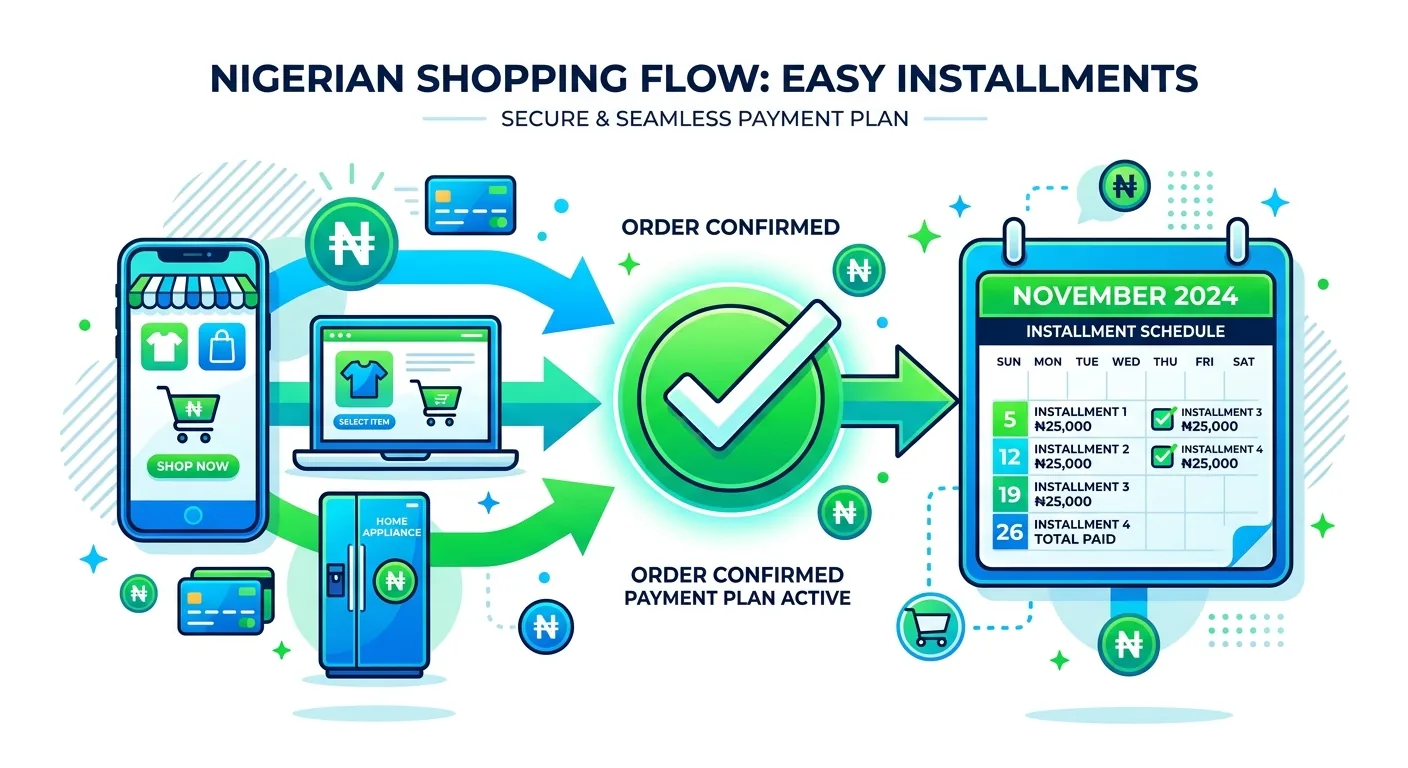
Buy Now Pay Later Nigeria is a credit arrangement where you receive a product today and repay the cost in fixed installments — weekly, bi-weekly, or monthly — rather than paying everything upfront.
It differs from a traditional loan in four key ways:
- No cash reaches your hand — payment goes directly to the merchant
- Tied to a specific purchase, not a general cash advance
- Faster approval — sometimes instant, using your BVN and salary data
- Some plans advertise zero interest — at least initially, or under specific conditions
Globally, BNPL exploded because it removes the friction from big purchases. In Nigeria, where inflation has made electronics and appliances brutally expensive while salaries have not kept pace, the appeal is obvious.
But here is the honest truth: if a financial product sounds too good to be true in Nigeria, there is usually a small-print monster hiding somewhere inside it.
How Buy Now Pay Later Actually Works in Nigeria
Here is the typical journey of a Nigerian using BNPL Nigeria:
Step 1: You visit a partner e-commerce site or physical store offering BNPL — Jumia, Slot, Fouani, or certain supermarkets.
Step 2: At checkout, you select “Pay Later” or “Installment Payment” instead of paying in full.
Step 3: You are redirected to a Buy Now Pay Later Nigeria platform — CredPal, Carbon Zero, CDcare, Easybuy, or Zilla.
Step 4: The platform checks your BVN, employment status, salary range, and sometimes your bank statement. This takes minutes.
Step 5: If approved, you receive the item immediately and a repayment schedule is activated — usually with automatic deductions from your account or card.
Step 6: You repay in installments. Miss a payment? That is where the monster wakes up.
The critical insight: BNPL providers pay the merchant in full on your behalf and you repay them. They are lending you money, and lenders in Nigeria do not do that for free.
Top Pay Later Apps in Nigeria (2026)
CredPal
One of Nigeria’s most widely used pay later apps in Nigeria. Partners with over 300 merchants across electronics, fashion, and groceries. A CredPal card also lets you shop like a credit card holder at everyday stores. Installments run 1–12 months.
Carbon Zero (by Carbon)
Carbon’s BNPL product lets you buy from select merchants and pay over 1–3 months. Carbon is CBN-licensed, which adds genuine credibility. Zero-interest claims apply under specific conditions — always read those conditions carefully.
CDcare
Popular for electronics, gadgets, and home appliances. You pay an initial deposit and spread the balance monthly. Prices on CDcare may be slightly higher than the open market — this is how the convenience is funded.
Easybuy (by Transsion/Tecno)
Embedded into the purchase of Tecno, Itel, and Infinix phones at partner stores. You pay a deposit and receive the phone, then pay monthly. The device can be locked remotely if you default. It is legal. It is in the agreement. Most buyers never read it.
Zilla
A growing installment payment Nigeria platform. Zilla splits purchases into four equal payments over six weeks. Aimed at digitally active Nigerians shopping online. Free if you pay on time — late fees apply immediately if you do not.
Jumia Pay Later (Partnership-Based)
Jumia partners with fintech companies to offer pay-later options at checkout. Terms vary depending on which BNPL partner is active — check carefully before confirming any order.
Comparison Table — Which BNPL Platform Suits You Best?
| Platform | Best For | Interest Rate | Repayment Period | Key Risk |
|---|---|---|---|---|
| CredPal | Wide merchant access | 3–5% monthly | 1–12 months | High fees on missed payment |
| Carbon Zero | Short-term trusted use | Low to zero (conditions) | 1–3 months | Limited merchant selection |
| CDcare | Electronics and appliances | Embedded in price | 3–12 months | Prices above market rate |
| Easybuy | Budget smartphones | High effective rate | 3–6 months | Phone locked on default |
| Zilla | Online shopping splits | Free if paid on time | 6 weeks (4 splits) | Immediate late fees |
| Jumia Pay Later | Jumia-specific shopping | Varies by partner | 1–3 months | Terms shift per partner |
The Hidden Costs Nobody Mentions
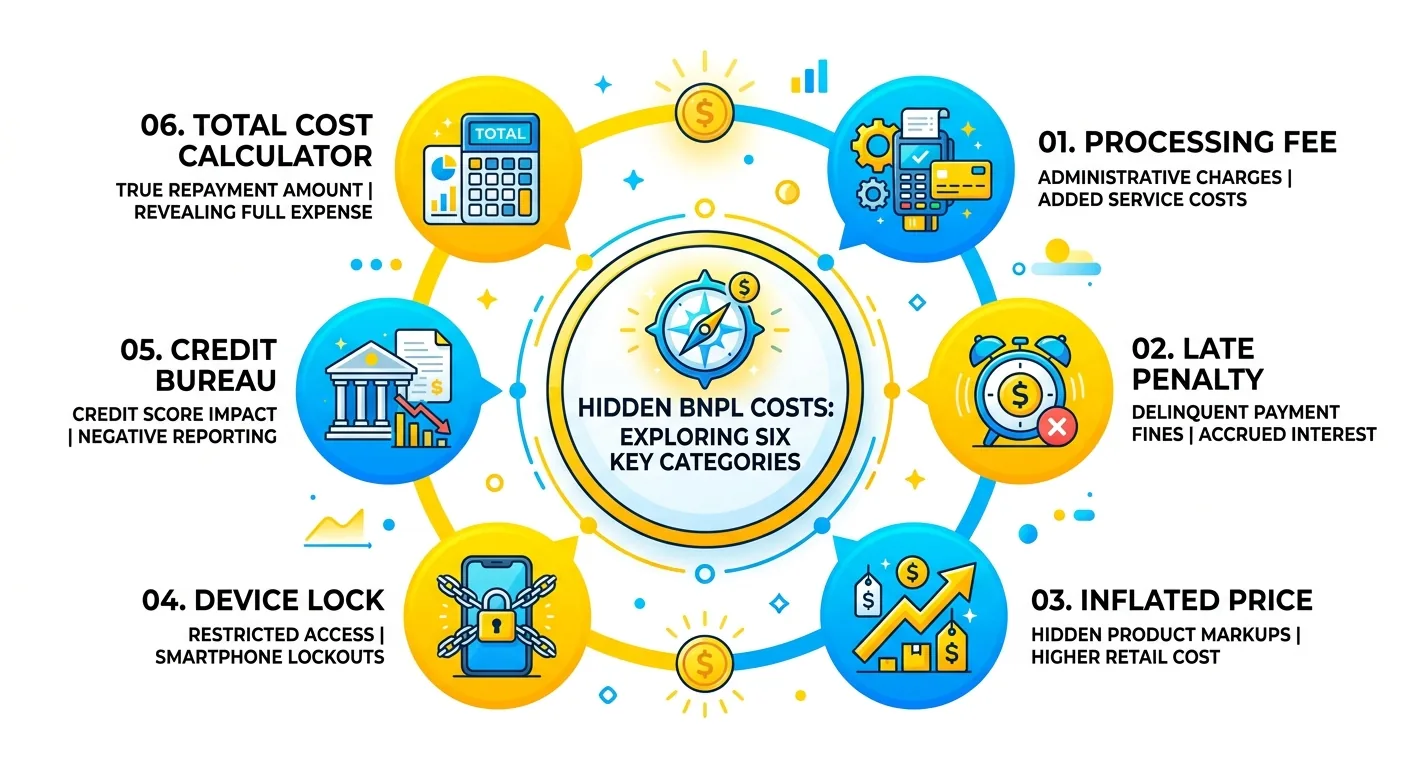
This is the section Buy Now Pay Later Nigeria platforms skip in their Instagram ads.
Processing Fees: Most platforms charge a one-time service fee of 1–5% upfront. On a ₦200,000 laptop, that is ₦2,000–₦10,000 gone before you have touched the keyboard.
Late Payment Penalties: Miss a repayment by even one day and daily penalty fees begin stacking. Some platforms have no grace period at all.
Inflated Merchant Prices: Some BNPL partner stores mark up item prices specifically for installment payment Nigeria customers. That ₦150,000 phone might cost ₦125,000 if you paid cash. The convenience is baked silently into a higher price.
Remote Device Locking: Specific to phone-based BNPL like Easybuy. Default on payments and your device becomes a locked paperweight. It is entirely legal and buried in the terms most people skip.
BVN Reporting to Credit Bureaus: BNPL defaults are increasingly reported to CRC, CreditRegistry, and FirstCentral. A missed payment on a ₦40,000 phone purchase today could block you from qualifying for a legitimate bank loan six months from now.
The takeaway: Buy Now Pay Later Nigeria is not free money. It is structured credit with real financial consequences.
BNPL vs Loan Apps — What Is the Real Difference?
Many Nigerians confuse zero interest BNPL Nigeria products with standard loan apps. Here is the actual distinction:
| Feature | BNPL | Loan Apps |
|---|---|---|
| Cash in hand? | No — paid to merchant | Yes — cash to your account |
| Purpose | Specific purchase only | Any use |
| Interest | Sometimes lower or zero initially | Typically 5–30% monthly |
| Collateral | None (device may be locked) | None (BVN is tied) |
| Credit reporting | Increasingly yes | Yes |
| Harassment risk | Lower | Higher with aggressive apps |
Verdict: BNPL suits planned, specific purchases where you can commit to a repayment schedule. Loan apps suit emergencies needing cash flexibility. Neither is a substitute for an emergency fund.
Who Should Use BNPL — And Who Should Walk Away
BNPL Makes Sense If:
- You have stable, predictable monthly income — salary earner or civil servant with a confirmed pay date
- You are buying something you genuinely need, not an impulse item
- The repayment does not exceed 20–25% of your monthly take-home pay
- You have compared the total BNPL cost against paying cash or using a personal savings target
- You carry no existing high-interest debt that should take priority
Walk Away from BNPL If:
- Your income is irregular — gig work or daily-paid roles with no guarantee
- You are already servicing other loans or BNPL plans simultaneously
- You are buying something you want but do not need right now
- The total BNPL price exceeds the cash price by more than 15%
- You have a history of missing payment deadlines — BNPL penalties are swift and unforgiving
5 Smart Rules Before You Click “Pay Later” on Anything
Rule 1: Calculate Total Cost, Not Monthly Payment
Platforms advertise “just ₦15,000 per month.” Over 12 months that is ₦180,000 for an item worth ₦130,000. Always calculate the full repayment sum first.
Rule 2: Read the Late Payment Clause Before Signing
Find out exactly what happens if you miss one payment. If the clause is buried or vague, walk away — that vagueness is rarely in your favor.
Rule 3: Use BNPL for Needs, Not Wants
Emergency work laptop? Valid. Upgrading a phone that still works fine? That is optional debt you are choosing voluntarily.
Rule 4: Never Run Multiple BNPL Plans at Once
Two or three simultaneous Buy Now Pay Later Nigeria repayments is one of the quietest ways Nigerians slide into a debt spiral. One active plan at a time — maximum.
Rule 5: Verify the Platform is Regulated
Confirm the BNPL company is CBN-licensed or FCCPC-registered before committing. Unregulated BNPL platforms exist, and their recovery behavior when you default can be aggressive. Stick to names with verifiable regulatory standing.
Final Verdict — Is Buy Now Pay Later Nigeria a Lifesaver or a Trap?
Here is what the marketing materials will never tell you.
Buy Now Pay Later Nigeria is a powerful tool — in disciplined hands.
For a salary earner who needs a laptop urgently for work and cannot wait three months to save the full amount, a structured BNPL Nigeria plan from a reputable, regulated platform is genuinely useful. It bridges the gap between income timing and real necessity — without requiring collateral or lengthy bank queues.
For the Nigerian who clicks “Pay Later” on impulse, without reading the terms, while already carrying other debt, BNPL becomes one more express lane toward financial stress.
The same product. Two completely different outcomes. The only variable is how informed the user is before they click.
Nigeria’s Buy Now Pay Later market will keep growing. More platforms will launch. More merchants will join. The temptation to pay later will get louder. Your defense is knowing exactly what you are agreeing to.
Know what you are signing. Know what you owe. Know when to say no.
Because the best installment plan is always the one you can finish paying — without it costing you more than the item was ever worth.
Frequently Asked Questions
Is Buy Now Pay Later Nigeria truly interest-free?
Some platforms advertise zero-interest BNPL Nigeria plans, but these usually apply only for very short repayment windows or under specific conditions. Processing fees, service charges, and inflated merchant prices mean the true cost is rarely zero. Always calculate the total amount you will pay — not just the monthly figure — before agreeing.
What happens to my BVN if I default on a BNPL plan in Nigeria?
Defaulting on a Buy Now Pay Later Nigeria plan can have two consequences: your BVN may be flagged internally by the platform, and the default may be reported to Nigerian credit bureaus including CRC, CreditRegistry, and FirstCentral. This can damage your credit profile and affect your ability to access bank loans or other credit products in future.
Which BNPL platform is safest to use in Nigeria right now?
The safest pay later apps in Nigeria are those with clear CBN licensing or FCCPC registration. Carbon Zero benefits from Carbon’s established CBN-licensed status. CredPal and Zilla are among the more transparent platforms in terms of fee disclosure. Always verify regulatory standing independently before committing to any BNPL Nigeria platform, regardless of how professional the app looks.
