Navigating Digital Lending Regulations in Nigeria: A Guide to Your Rights
For millions of Nigerians, digital lending apps have provided a vital financial lifeline. However, the convenience of one-click loans has frequently been shadowed by predatory practices. From hidden, astronomical interest rates to the illegal practice of contacting a borrower's employer to induce shame, these activities have plagued the sector. Understanding
Digital lending regulations Nigeria is essential for any borrower looking to protect themselves.
The Regulatory Framework: Who Watches the Lenders?
The digital lending space is no longer a "wild west." The primary body governing these entities is the FCCPC, which introduced the
Limited Interim Regulatory/Registration Framework and Guidelines for Digital Lending.
Their mandate is to ensure every Digital Money Lender is registered and compliant. While the CBN focuses on the stability of the broader financial sector, the FCCPC acts as the primary shield for the consumer. When you familiarize yourself with
Digital lending regulations Nigeria, you become better equipped to distinguish between legitimate fintechs and unlicensed operators.
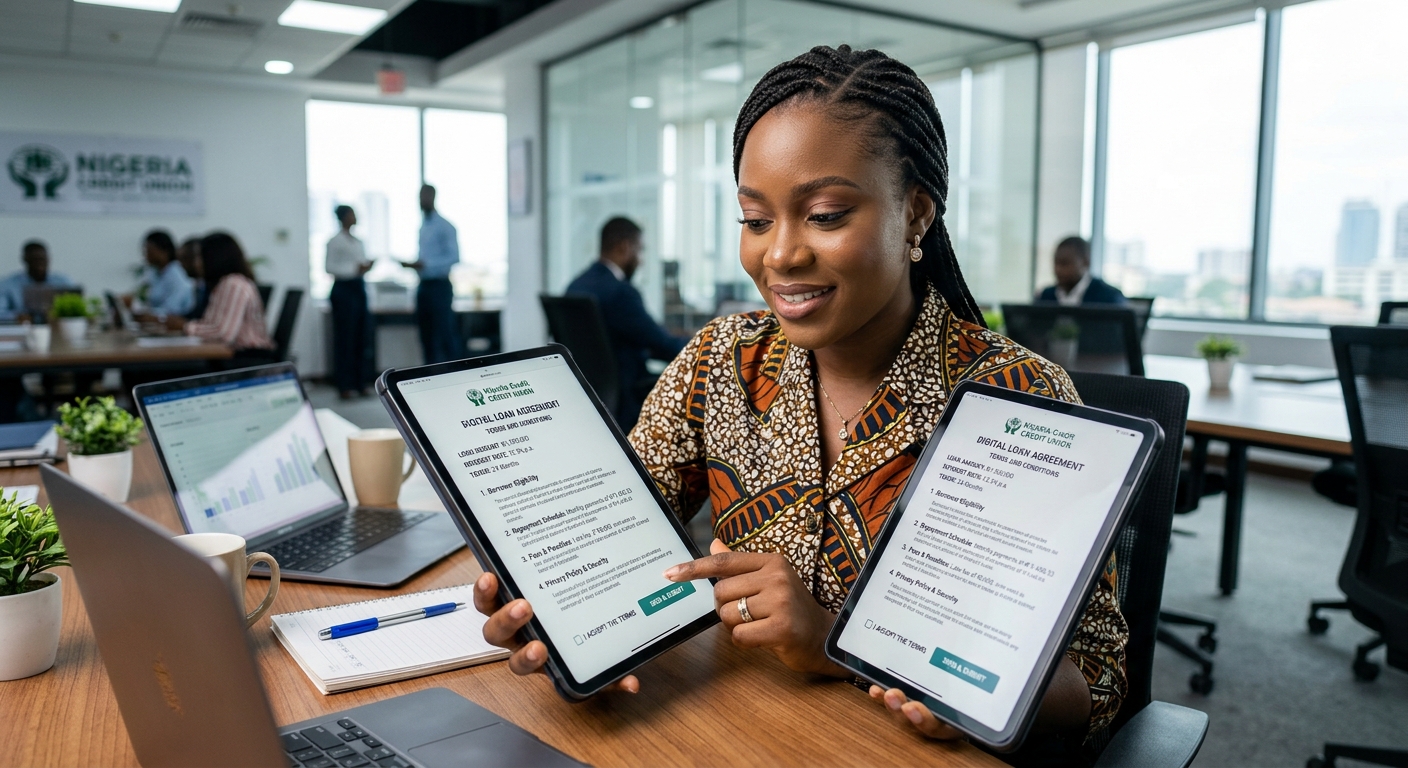
Key Borrower Rights: What Loan Apps Cannot Do
Many borrowers feel trapped because they believe recovery agents hold all the power. In reality, you are protected by the Nigeria Data Protection Regulation (NDPR) and FCCPC directives.
1. No Unauthorized Contact or Harassment
Under current
Digital lending regulations Nigeria, recovery agents are strictly prohibited from contacting your contacts, family, or employers. If an app accesses your phone’s contact list to threaten or shame you, they are in direct violation of the law.
2. Transparency in Interest Rates
Predatory apps often hide the true Annual Percentage Rate. Lenders are now required by law to provide a clear, concise disclosure of all interest rates and late payment penalties
before you execute the digital contract.
3. Ethical Debt Collection
No agent is allowed to use foul language, intimidation, or physical threats. Debt collection must be conducted with professional decorum. If a lender threatens your safety, they are committing a criminal offense.
How to Verify a Licensed Lender
Before downloading any loan app, you must verify their status. Dealing with unlicensed lenders puts your data at risk. Visit the official FCCPC website to cross-reference the app name against their list of approved providers. If they are not listed, they are operating illegally under
Digital lending regulations Nigeria.
Actionable Steps: How to Report Predatory Apps
If you are a victim of harassment, don’t just delete the app—report it. This creates a paper trail that helps the FCCPC identify and shut down illegal operators. Send a detailed report to
tips@fccpc.gov.ng including screenshots of threats and the name of the app.
The Future of Lending
The Nigerian fintech space is maturing. As regulators continue to enforce stricter licensing, the market is shifting toward "Credit Scoring 2.0." By adhering to
Digital lending regulations Nigeria, legitimate lenders are focusing on data-driven financial behavior rather than intimidation.
Conclusion
The digital lending revolution has the potential to bridge the financial inclusion gap, but it must be built on the bedrock of consumer trust. By staying informed about
Digital lending regulations Nigeria, you transition from a vulnerable target to an empowered user. If you are ever harassed, don't stay silent. Use the regulatory channels available to keep the ecosystem safe for everyone.